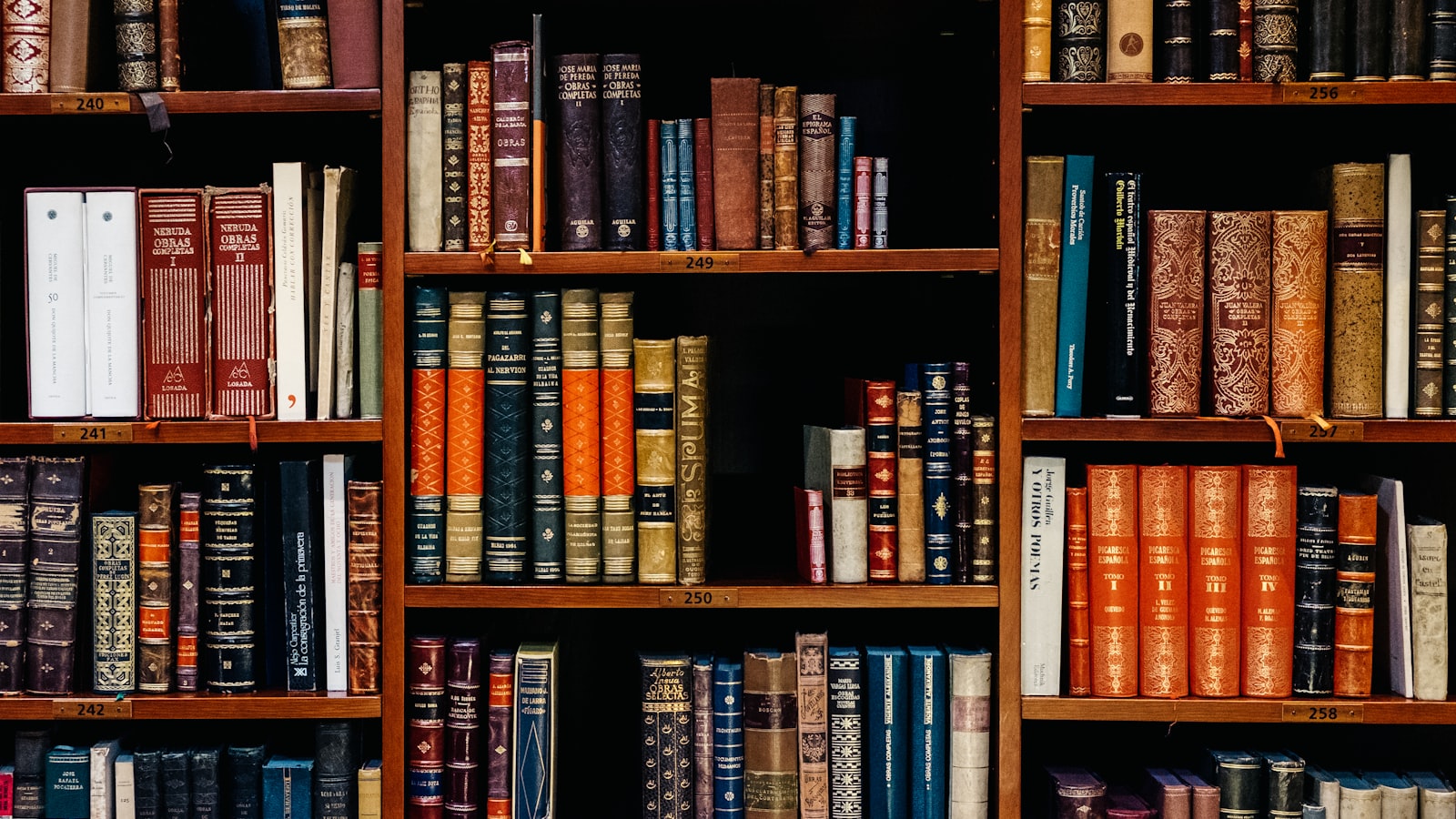
There is a difference between owning a lot of books and having a personal library. The first is what happens when you never get rid of anything. The second is a collection you have shaped on purpose, where most of the spines mean something to you and you can usually say why a book earned its place. The good news is that the second kind costs less than the first, because curation is mostly about restraint.
I track every book I buy, borrow, and abandon, partly out of habit and partly because the record taught me something useful: I was buying far more than I kept and keeping far less than I bought. The shelves I actually love are small. Here is how I think about building them.
Decide what a personal library is for#
Before you buy another book, settle a quieter question: what do you want these shelves to do? A library can be a working tool you mine for ideas, a record of where your mind has been, a comfort you return to, or some blend of all three. The answer shapes everything else, because it tells you which books to keep and which to let pass through.
My rule is that a book earns a permanent spot if I will return to it. Returning can mean rereading, but it also means consulting, lending, flipping back to a passage, or simply wanting it in the room. A novel I devoured once and will never open again is a wonderful experience and a poor permanent resident. That is what the library is not: a trophy case for everything you have ever read.
This single distinction does most of the work. Once you stop treating every book you finish as a book you must own, the collection starts to mean something, because every spine on the shelf is there by choice.
Buy these, borrow those#
Not every book deserves shelf space, and treating the library as something to curate rather than hoard saves both money and wall. A rough division I have found reliable:
- Buy: books you will reread, reference works you consult, books you annotate heavily, authors you collect on purpose, and anything you want to lend out and discuss.
- Borrow: most new fiction you are merely curious about, of-the-moment nonfiction, anything you suspect you will read once, and the doorstop you are not sure you will finish.
- Try before you commit: borrow it from the library first, and if you find yourself wanting to underline it or knowing you will reach for it again, then buy a copy.
The local library is the secret weapon here, and using it well is its own skill worth taking seriously; there is a whole case for how to support independent bookshops that doubles as a case for using libraries hard. Borrowing first is the cheapest possible way to test whether a book belongs in your permanent collection, and it keeps the impulse buys from piling up unread.
The unread pile is not a moral failure. But a shelf where you have read and loved most of the books is a quieter, better kind of pleasure than a wall that mostly announces intentions.
Where the good books actually come from#
Few great personal libraries are built at full price from the new releases table. The best collections are assembled patiently from used sources, where the prices are low enough that you can take chances and the selection rewards a slow hunt.
Secondhand and charity shops, library sales, used bookstores, and online marketplaces like AbeBooks or local listings are where you find the out-of-print, the unexpected, and the absurdly cheap. The hardback that costs a small fortune new turns up for the price of a coffee six months later. Build the habit of browsing these without a specific title in mind. The pleasure of a used shop is partly the accident of it: you walk in for nothing and leave with the exact book you did not know you wanted.
A few practical habits make used hunting pay off:
- Keep a running list of titles you are looking for, so a chance find is recognisable when it appears.
- Check the condition honestly, especially the spine and the binding, since a cheap book that falls apart is no bargain.
- Do not buy a book just because it is cheap. Cheap-and-unwanted is how the unread pile grows.
- Revisit the same shops. Stock turns over, and the regulars get first look at the good arrivals.
Buy the book, not the edition#
There is a trap that catches anyone who starts taking their shelves seriously: the urge to own the right edition rather than the readable one. The handsome hardback you display but handle carefully. The matching set in a series you have not read. The collector's printing you are slightly afraid to open.
Be honest about whether you are building a library or a stage set. There is nothing wrong with owning a beautiful object, but a book you are reluctant to read is doing the opposite of its job. A cheap paperback you have dog-eared, underlined, and read twice is worth more, to a real reader, than a pristine first edition that has never been cracked. If you intend to actually work with your books, lean toward the copy you will not be precious about.
The exception is the small number of books you love enough to want in a form worth keeping for decades. Those are worth the better binding. But let that be a short list, not a default.
Let it grow slowly and honestly#
The fastest way to a library you do not like is to buy in bulk to fill shelves. Empty shelves are not a problem to solve. They are room to grow into. A collection assembled over years, one earned book at a time, ends up reflecting an actual person. A collection bought by the metre reflects nobody.
Curate as you go, both inward and outward. When a book has clearly finished its life with you, pass it on; a thinned shelf is a clearer shelf. The aim is not maximum volume. It is a collection where you can run your eye along the spines and feel that each one belongs. Some of mine are there for what they taught me, some for the version of me that read them, some simply because I will open them again. If you keep finding it hard to settle on what to read next from your own shelves, a system for how to build a tbr list keeps the owned-but-unread pile from quietly becoming the whole library.
Shelves that sound like you#
A personal library, done right, is a slow self-portrait. Not the books you think you should own, and not the ones that signal the reader you would like to be taken for, but the ones you genuinely return to. Buy the keepers, borrow the maybes, hunt the used shelves with patience, and let the collection accumulate meaning instead of just volume. Years from now the wall will tell a true story about where your attention has been, which is the only kind of library worth dusting.