
How to Store and Care for Your Books
Keep your collection in shape: shelving that prevents warping, controlling light and humidity, cleaning old volumes safely, and packing books for a move.
 Harriet Stone
The library
Every guide we've published, newest first. 30 in-depth articles on focus, tools, remote work, and digital wellbeing.
Keep your collection in shape: shelving that prevents warping, controlling light and humidity, cleaning old volumes safely, and packing books for a move.
Harriet Stone

Give books that land every time: read the recipient's taste, play it safe or surprising on purpose, and pick crowd-pleasers that work even for non-readers.
 Clara Fenwick
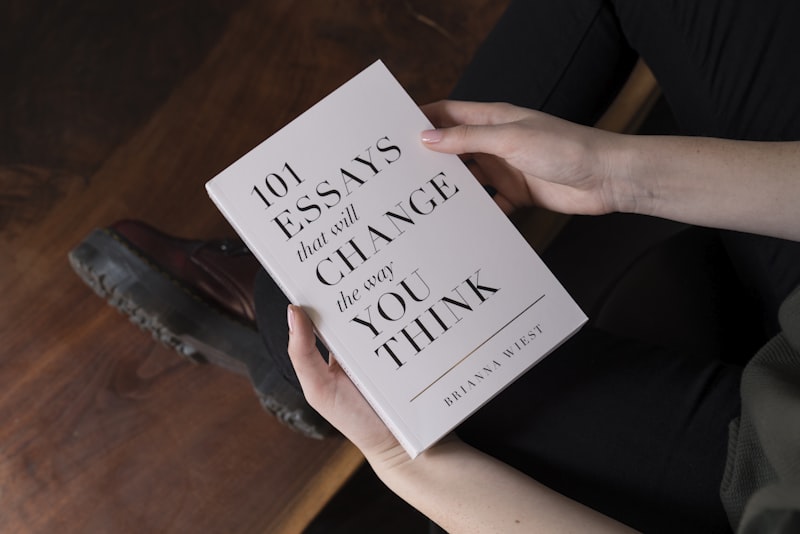
Why local bookshops and libraries matter, how to shop and borrow in ways that keep them alive, and how to find the indie stores worth a special trip.
Clara Fenwick

Curate a collection that reflects you: which books to buy versus borrow, how to find used treasures, and the case for keeping shelves you will return to for years.
Harriet Stone
Set up a book club that lasts: choosing members, picking books everyone will finish, running discussions that spark, and keeping the group going past month three.
Clara Fenwick

Build a corner that pulls you toward books: the right chair and light, a side table within reach, and the small comforts that turn a spot into a reading habit.
Harriet Stone

Beyond alphabetical: shelving systems that match how you actually find books, from color and genre to read versus unread, plus how to keep it tidy over time.
Harriet Stone

Whodunit or will-they-survive? Untangle mystery, thriller, and suspense, learn how each builds tension, and find the right shelf for your next page-turner.
 Desmond Iyer

Literary versus genre fiction is blurrier than the labels suggest. Here is what the term actually means, why it matters less than you think, and how to read past it.
Desmond Iyer
Make nonfiction stick: choose narrative-driven books, read with questions in mind, skim the parts you can, and turn finished books into ideas you actually use.
Desmond Iyer

Epic, grimdark, cozy, portal, and more: a clear map of fantasy's many flavors with a standout entry book for each so you can find the magic you actually like.
Desmond Iyer
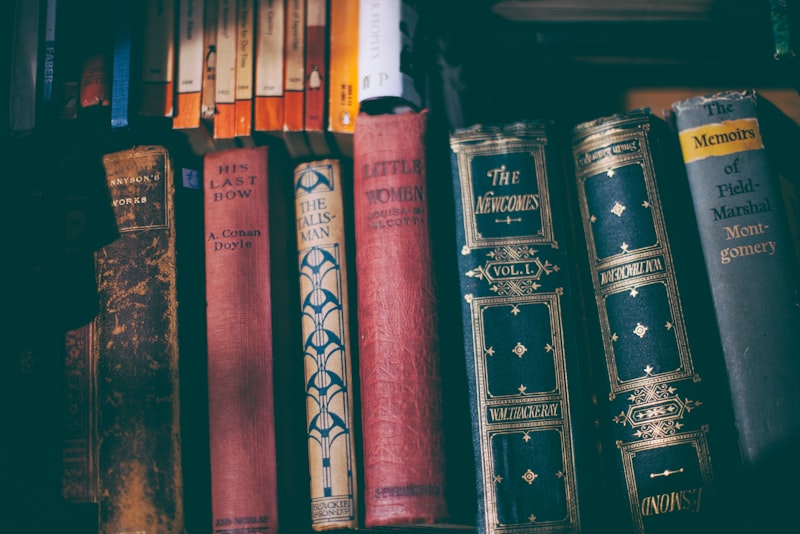
Poetry without the fear: how to read a poem more than once, why sound matters as much as meaning, and accessible collections that reward beginners right away.
Desmond Iyer

Inside the craft of mystery and crime fiction: fair-play clues, the slow tightening of suspense, and the misdirection that makes a twist land instead of cheat.
Desmond Iyer

A welcoming on-ramp to sci-fi for newcomers, from character-first standalones to mind-bending classics, sorted so you can pick by the kind of wonder you want.
Desmond Iyer
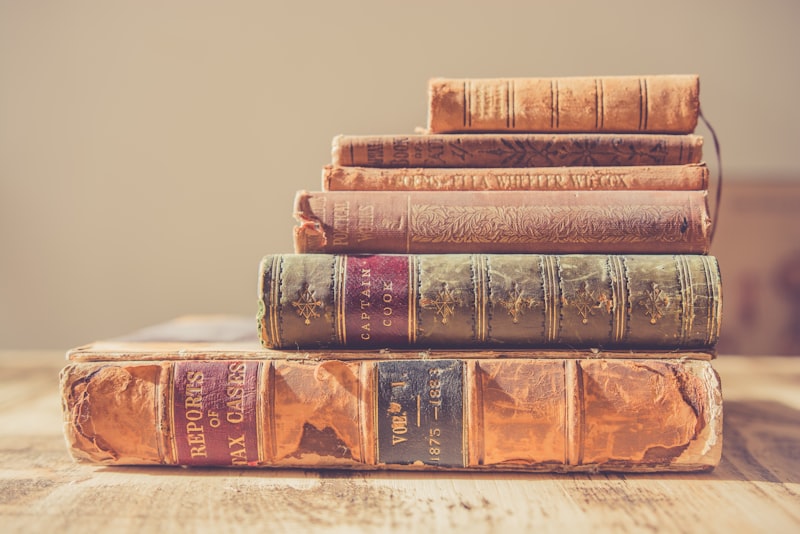
Strategies for dense classics and big ideas: reading in passes, leaning on companion guides, going slow on purpose, and knowing which struggles are worth it.
Clara Fenwick

Match your reading to how you actually feel: comfort reads for low energy, propulsive plots for distraction, and slow prose for when you can finally focus.
Clara Fenwick

Why returning to a book you love is not wasted time, how rereading reveals what you missed, and which kinds of books reward a second or third visit most.
Clara Fenwick

A guide to discovering world literature: how to find great translators, which presses to follow, and gateway novels that travel beautifully into English.
Clara Fenwick
Tolstoy and Dostoevsky without the dread: a gentle entry route through shorter works and the best translations before you commit to the doorstop classics.
Clara Fenwick

Approachable, genuinely gripping literary novels for readers who think the genre is too slow, with notes on what makes each one a good first step.
Clara Fenwick

Stop hoarding titles you never open. Build a to-be-read list that stays small, balanced across moods, and ranked so your next pick is always obvious.
Clara Fenwick

A reliable framework for picking what to read next based on your mood, attention, and what your last few books taught you, so you stop stalling at the shelf.
Clara Fenwick

Carve out reading time without overhauling your schedule: pair pages with daily anchors, keep a book in every bag, and protect a short wind-down read each night.
Harriet Stone
The research on what your brain does with audio versus print, when each format wins, and how to pick the right one for the book and the moment you are in.
Harriet Stone

Speed-reading myths debunked, plus the habits that genuinely help: cutting subvocalization, expanding your eye span, and matching your pace to the kind of book.
Harriet Stone

From margin scribbles to a commonplace book, here are note-taking methods that fit how you actually read, plus how to turn highlights into knowledge you keep.
Harriet Stone
Why books fade from memory and how to fix it: active recall, marginal notes, a simple summary habit, and spaced review that makes the best ideas stick for years.
Harriet Stone
Reclaim hidden reading time from commutes, queues, and dead minutes, swap a few scrolling sessions for pages, and watch your yearly book count climb naturally.
Harriet Stone

Stuck mid-book and dreading picking it up? Learn why slumps happen, when to abandon a book guilt-free, and the low-pressure reads that reliably break the spell.
Harriet Stone

A practical system for reading every day: anchor your reading to an existing routine, start absurdly small, track streaks, and make quitting harder than continuing.
Harriet Stone